Why is my cat not eating?
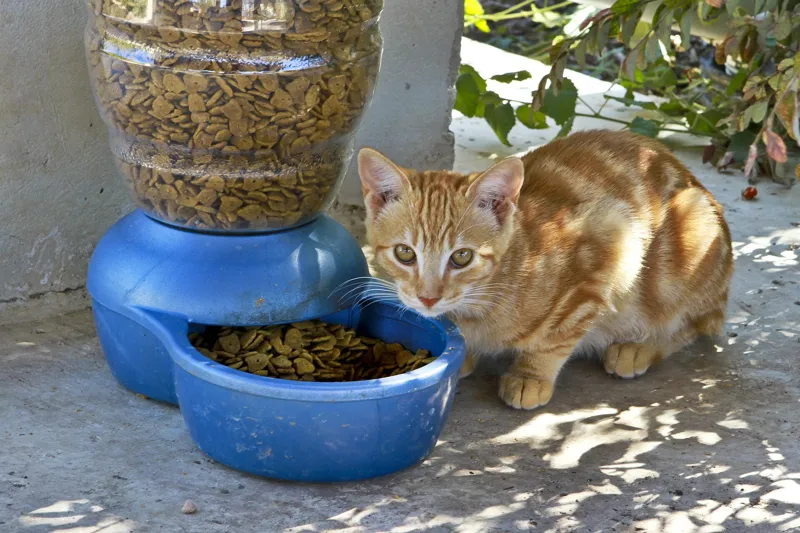
Do not wait it out. Cornell explains that when a cat stops eating, the body sends fat to the liver, which can lead to hepatic lipidosis, or fatty liver. Without prompt treatment it can be deadly. Overweight cats are at higher risk, and another illness is often the trigger. Call your vet if your cat refuses food.
What the sources say
When a cat eats little or nothing, the body breaks down fat for energy and the liver can fill up with it. This is hepatic lipidosis. [1]
Most cases start with another health problem that put the cat off food, for example diabetes, thyroid or kidney disease, pancreatitis or cancer. [1]
Watch for hiding, skipping meals, drooling, or yellowish gums or ears. [1]
A cat that will not eat and is getting thinner needs a vet visit. [2]
Sore teeth can make crunchy food hard to eat. Ask your vet whether softer food could help. [3]
🚩 When to see a vet
- Your cat refuses food or barely eats
- Weight loss, hiding or drooling
- Yellow tinge to the gums, skin or ears
In an emergency, call your vet or nearest emergency animal clinic.
🚨 Poison emergency: call now
- Trouble breathing
- Collapse
- Seizures
- Bloated belly or retching with nothing coming up
- Suspected poisoning (chocolate, xylitol, lilies for cats, grapes)
- Heavy bleeding
- Male cat straining to pee
- Pale gums
ASPCA Animal Poison Control: (888) 426-4435 (a fee may apply)
Pet Poison Helpline: (855) 764-7661 (a fee applies)
FAQ
Why are overweight cats at higher risk?
Any cat can get fatty liver, but Cornell says it shows up far more often in heavy cats.
My cat is just picky. What can I do?
Rotating a few different cat foods can help, but a cat that stops eating should still see a vet.
Sources
- Cornell Feline Health Center: Hepatic Lipidosis, checked Oct 13, 2026
- Cornell Feline Health Center: Feeding Your Cat, checked Oct 13, 2026
- Cornell Feline Health Center: How Often Should You Feed Your Cat?, checked Oct 13, 2026
We summarize these sources in our own words. Dosing or home treatment amounts are never given here. Ask your vet.